Ways Our Ancestors Practiced Mental Health Before Therapy Existed
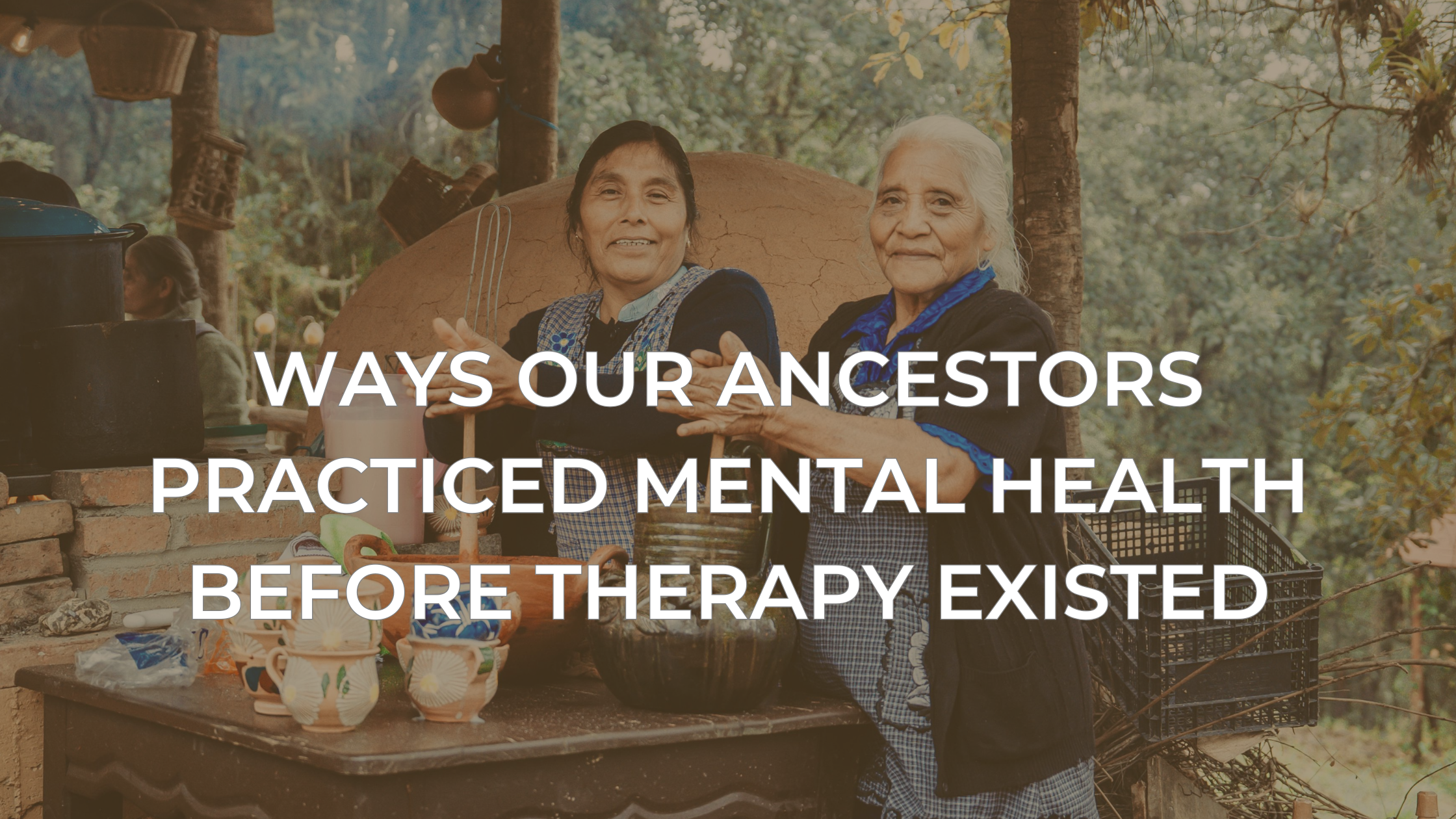
When many people think about mental health support, they think of therapy, counseling, medication, or modern psychology. While these resources can be incredibly valuable, caring for our emotional well-being is not a new concept.
Long before therapy offices existed, our ancestors found ways to cope with stress, process grief, build resilience, and stay connected to themselves and their communities.
While these practices were not therapy in the modern sense, they often served similar purposes: creating connection, meaning, support, and healing during difficult times.
As we navigate today's fast-paced world, there may be wisdom in looking back at how previous generations cared for their emotional and spiritual well-being.
Mental Health Support Has Always Existed
Humans have always experienced anxiety, grief, loss, uncertainty, stress, and major life transitions.
What looked different was how communities responded to these challenges.
Many ancestral cultures understood something that modern research continues to support today:
People heal best when they feel connected: to themselves, their community, their culture, and something larger than themselves.
While our ancestors may not have used words like "mental health" or "nervous system regulation," many of their traditions supported emotional well-being in meaningful ways.
Storytelling and Sharing Wisdom
Before books, podcasts, and social media, stories were one of the primary ways people made sense of life.
Families gathered to share experiences, lessons, struggles, and successes.
Stories helped people:
Feel less alone
Learn from others' experiences
Process difficult emotions
Create meaning from hardship
Strengthen family and community bonds
Even today, one of the most healing aspects of therapy is simply having a space to tell your story and feel heard.
Community Support and Connection
Historically, many cultures operated within strong communities where people shared responsibilities and supported one another through life's challenges.
People often had:
Extended family nearby
Neighbors they knew well
Community gatherings
Shared caregiving responsibilities
Religious or cultural support systems
Today, many individuals feel isolated despite being constantly connected online.
Research consistently shows that social connection is one of the strongest protective factors for mental health.
Our ancestors understood that healing rarely happened alone.
Time in Nature
Many ancestral cultures spent significantly more time outdoors than most people do today.
Nature offered opportunities to:
Slow down
Observe seasonal rhythms
Move the body
Connect with the earth
Find moments of peace and reflection
Modern research continues to show that spending time in nature can help reduce stress, improve mood, and support emotional well-being.
Whether it's gardening, walking, sitting under a tree, or simply stepping outside for a few minutes, nature remains a powerful source of regulation and healing.
Rituals and Spiritual Practices
Across cultures, rituals have helped people navigate life's biggest moments—birth, death, marriage, illness, grief, and celebration.
These practices often included:
Prayer
Meditation
Ceremony
Singing
Reflection
Sacred gatherings
Rituals provide structure during uncertain times and can help create meaning during periods of loss or transition.
For many people, spiritual practices continue to be an important source of comfort, resilience, and hope.
Music, Dance, and Movement
Many ancestral traditions incorporated music, dance, drumming, and movement into daily life and community gatherings.
These activities helped people:
Express emotions
Release stress
Strengthen social bonds
Celebrate important milestones
Connect with joy
Today, we know that movement can support nervous system regulation and emotional health.
Sometimes healing doesn't happen through words alone—it happens through movement, creativity, and expression.
Rest and Seasonal Rhythms
Although life was often physically demanding, many cultures lived more closely with natural cycles.
There were periods of activity and periods of rest.
Modern life often encourages constant productivity, making many people feel guilty for slowing down.
Yet our ancestors understood that rest was necessary for survival.
The body and mind were never designed to operate at full speed all the time.
Traditional Healing Practices
Many cultures developed their own healing traditions that addressed emotional, spiritual, and physical well-being together.
These approaches often emphasized:
Balance
Community
Connection
Meaning
Holistic wellness
Today, many people find value in honoring cultural healing traditions alongside modern mental health care.
For some individuals, healing involves both evidence-based therapy and culturally meaningful practices that help them feel connected to their roots.
What Our Ancestors Can Teach Us Today
Looking back isn't about romanticizing the past or suggesting that ancestral practices should replace modern therapy.
Instead, it's about recognizing that many traditional practices addressed important human needs that still exist today.
We all need:
Connection
Belonging
Meaning
Rest
Community
Expression
Support
The ways we meet those needs may look different now, but the needs themselves remain the same.
Ancestral Wisdom and Modern Therapy Can Work Together
One common misconception is that people must choose between traditional healing practices and professional mental health care.
In reality, many people find that these approaches complement one another.
Therapy can help you:
Understand patterns
Manage anxiety
Process trauma
Improve relationships
Develop coping skills
At the same time, ancestral practices may help you:
Feel connected to your culture
Build community
Create meaning
Strengthen your sense of identity
Honor your family's resilience
Healing is not one-size-fits-all.
Sometimes healing involves learning new tools while also reconnecting with wisdom that has existed for generations.
Reflection Questions
As you think about your own family or cultural background, consider:
How did your family cope with stress?
What traditions brought people together?
What practices helped people process grief or hardship?
What wisdom from previous generations would you like to carry forward?
What patterns would you like to change?
Exploring these questions can deepen your understanding of yourself, your family, and your healing journey.
Ready to Explore Your Own Healing Journey?
If you're interested in understanding how your family history, cultural experiences, and personal challenges have shaped who you are today, therapy can help.
At Pathway to Inner Healing Counseling, we provide a supportive space to explore anxiety, burnout, life transitions, cultural identity, family patterns, and personal growth.
You don't have to navigate your healing journey alone.
Ready to begin?
Schedule an appointment today and take the next step toward greater self-awareness, balance, and healing.
Disclaimer & Crisis Support
This blog is for informational and educational purposes only and is not intended to diagnose, treat, or replace professional mental health care, medical advice, or emergency services.
Reading this article does not establish a therapist-client relationship.
If you are experiencing a mental health crisis, thoughts of self-harm, or believe you may be in danger of harming yourself or others, please seek immediate support:
Call or text 988 to reach the Suicide & Crisis Lifeline (available 24/7 in the United States)
Call 911 or go to your nearest emergency room if you are in immediate danger
If you are outside the United States, contact your local emergency services or crisis support line
You deserve support, and help is available.
